US GDP per capita is larger then it has ever been. We are richer then we've ever been and this economist predicts we'll be richer still for the foreseeable future. The problem is that 30 years ago or so the middle and lower classes stopped receiving any of the gains.
Healthcare providers and insurers have received much of the gains, it's not just a class issue. Since 2001, employers' benefit costs have risen 60%, which is almost twice the rate salary increased. Perhaps salary increases would've outpaced inflation, leading to the real wage gains everyone's missing, if that money weren't being diverted into the employer's share of health insurance premiums.
Looks like about 40% of the increase over the last 30 years can be attributed to increased "health" spending. Health as a percentage of total has gone from ~10% - 22%.
Maybe a nit, but spending more on health care doesn't mean there were not "real wage gains". The wage gains were real, and people spent a big part of those gains to get more healthcare.
Another way to phrase it... If health spending had stayed constant since 2001, how much less "care" would the system be providing right now? All that extra spending is not pure waste, I'd love to see some hard studies on how much "waste" has increased and how exactly do you define it?
If you meant "economic gains" as-in healthcare's share of the overall pie has increased, and so healthcare as a sector of the economy has seen an outsized share of gains, that is definitely true.
It's also called an insurance pool. You don't pay based on your own current cost, or even the old unemployed people's current cost. You pay based on your own expected lifetime cost, which is increasing substantially for those young employed workers.
ACA flattened the rating factors a lot to shift cost to younger insured. Personally I don't think that was good policy. You have a lot more disposable income after the kids graduate college, it's not necessarily a bad thing for health care costs to be shifted later in life. But annual premiums rise for the young anyway because their expected lifetime benefits are increasing substantially every day.
I guess my point is we all pay in, and we all ultimately take out of the system. If it was single-payer the cost would be exactly your marginal tax rate. As-is the cost is highly correlated with your marginal tax rate but just with a much lower cap.
>I guess my point is we all pay in, and we all ultimately take out of the system.
And my point is that young people disproportionately pay in a larger value and disproportionately take out a smaller value.
> You pay based on your own expected lifetime cost, which is increasing substantially for those young employed workers.
So would a person who would be expected to live forever pay all his income? If you are expected to live longer then you should be expected to pay for longer and not more per year.
I should have been more precise. You pay based on your own expected lifetime cost, over your expected lifetime. For example, something like $300,000 / 80 years or $3,750 per year.
The entire model is predicated on not paying in each year exactly how much you take out in benefits. That would completely defeat the purpose. So, of course young people pay more than they take out, while they are young. Almost all of those young people will also eventually get sick, hopefully old, and need health care for many years in excess of the amount they are paying in that year.
Are younger people actually subsidizing older people over the long-run, in other words, are younger people today on a track to pay in more than their expected lifetime cost? I doubt it, I think that would only happen if a future event dramatically cut the cost of care, you could end up having over-paid if care became abundant and cheap.
Another way to think about health insurance premiums is, you are born, you start $300,000 in debt. That's about the amount of healthcare you're going to consume, and you have your lifetime to pay it off. But that "debt" is also growing at ~5% based on increasing cost and complexity of available therapy, and average number of therapies someone can survive. The average 25 year old should have paid for about 30% but may have only actually spent 10% of their healthcare budget so far, but you can rest assured the balance will eventually be spent. Doesn't mean they are being ripped off by the old people!
>The entire model is predicated on not paying in each year exactly how much you take out in benefits. That would completely defeat the purpose. So, of course young people pay more than they take out, while they are young
and here's the gist of the scam. It's a pyramid scheme where the new entrants i.e. the young people pay for the old people's costs.
The young people would be far better off investing the money they are paying for old people's healthcare and then using that money for themselves when they are old.
And how much have the old people paid into ACA? They couldn't have possibly paid any because the ACA didnt exist when they were working. So where does the money to pay for their healthcare come from if not from the young people.
So yes they are being ripped off. Young people are having their hard earned money taken to keep old people on life support so they live longer to take more money from young people.
Far better off investing the money? No, because sometimes young people do get sick and need insurance, so you can't just invest your early payments, keep the returns for yourself, and skip the insurance, because then you're bankrupt if you lose the "lottery" and get sick at a young age.
Most young people will eventually become old people. It's by definition not a "pyramid scheme" if average total lifetime benefits are designed to equal average total lifetime cost. It seems like you are upset that an insurance policy is acting like an insurance policy should by spreading cost over time and averaging costs across members of the pool?
That medical costs have positive feedback (better more expensive therapies allow patients to go on to have more, better, more expensive therapies) is definitely a huge fiscal challenge. But it's also why young people are more likely to be underpaying now for future benefits they will receive, not overpaying.
What about education? Seems like everyone I know has substantial student loans. And that's a double dip because it's the school and a bank making money off the student. The next tend is employers paying part of the student loan. Just like how employers started to pay for health care payments. Then the costs really went up.
41 years actually. The rich started getting richer in 1975.[1][2]
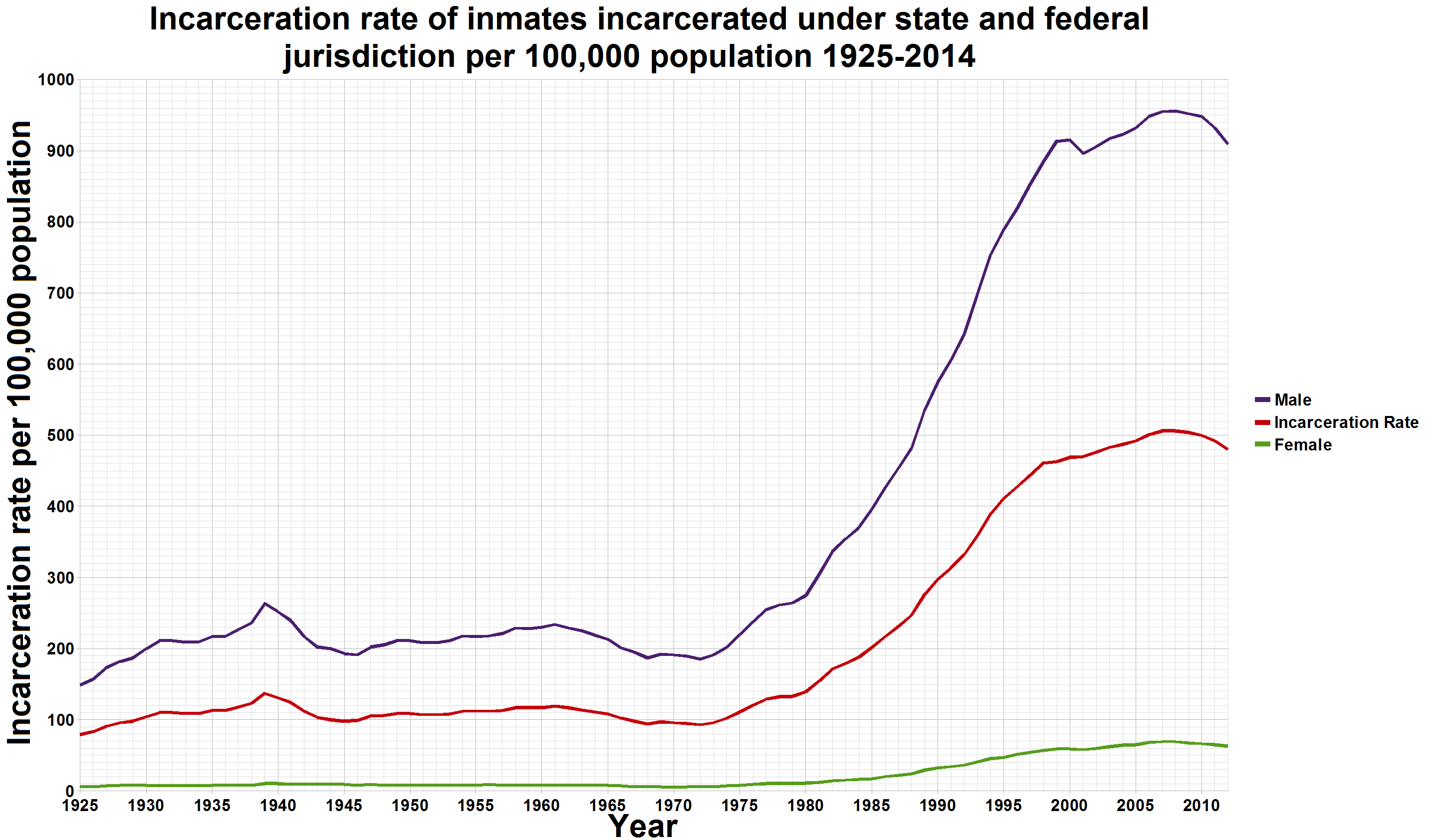
Other notable things that happened in 1975: incarceration rates began their meteoric rise[3], and the "Halloween Massacre"[4] in which Donald Rumsfeld, Dick Cheney, and George HW Bush seized power, becoming Secretary of Defence, Chief of Staff, and head of the CIA respectively.
I would be extremely wary of considering GDP a proxy for economic health, particularly when the military-industrial complex exists.
If you talk about GDP then you have to talk about inflation, which is tricky to measure. The official inflation number is for debate.
And one mans assets are another man's debt. This can unwind pretty fast. Look at all the people that are "entitled" to retirement benefits. Good luck with that in the long run.
Yet curiously the middle and lower class enjoy a higher standard of living today than 30 years ago. It's almost as if GDP/income aren't an absolute measurement of, well, anything.
I suspect your down-voters are thinking "are you sure about that?" Maybe they have smart phones and other gadgets which are highly advanced, but they might be living in a smaller place and less able to afford other things. I'm not even stating this myself, although it might be true... I just haven't researched it. But it's a thought that occurred to me.
Wage income may not have increased much for lower/middle class over the last 30 years, but certainly gross income counting welfare benefits has increased significantly, so perhaps that could have something to do with it.